Soil tolerance
Protection against toxic metals: Chemical processes (extracellular chelation) and binding in the cell walls can greatly reduce how toxic heavy metals are for the plant. This lets it survive in soils that would otherwise be toxic.
Trivalent aluminium (Al³⁺), which is poisonous to plants, can also be bound permanently, which considerably lowers the risk of poisoning in very acidic soils.
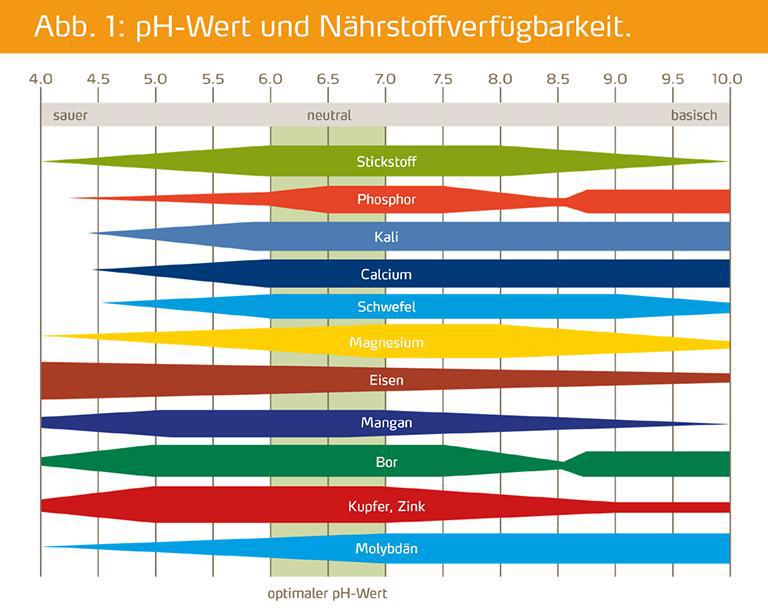
Locked-up nutrients: Especially at high pH, many nutrients – above all phosphorus – are unavailable to plants ("masked"). Mycorrhizal fungi can take up these nutrients and pass them on to the plant.
More about Benefits of mycorrhiza
- Drought toleranceFungal hyphae enlarge the water-absorbing surface 100 to 1,000 times.
- Nutrient uptakeMore phosphate, nitrogen and trace elements – even on poor sites.
- Protection against pathogensThe fungal sheath and antibiotic secretions protect the roots.
- Pest resistancePre-immunisation and better vitality make plants less susceptible.